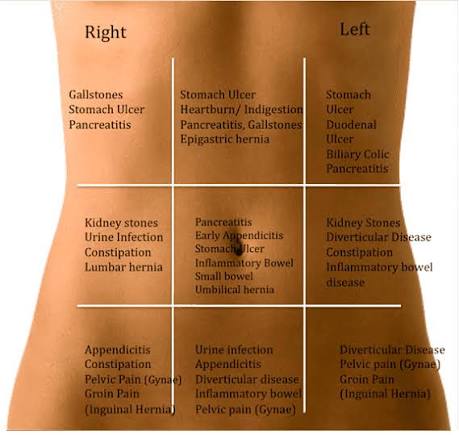
Abdominal pain has many causes — appendicitis is only one. Typical appendicitis pain starts near the belly button and shifts to the lower right, worsening over hours with nausea and fever. Other causes include gastroenteritis, constipation, urinary infections, kidney stones, gynecologic conditions, gallbladder or pancreatic problems, and IBS. Look for red flags like sudden severe pain, rigid abdomen, high fever, vomiting blood, or pain during pregnancy — these need urgent care. For mild symptoms, rest, fluids, and simple home measures may help, but contact your healthcare provider if pain worsens or doesn’t improve.
Blood in stool: Causes, Warning signs and When to seek medical help
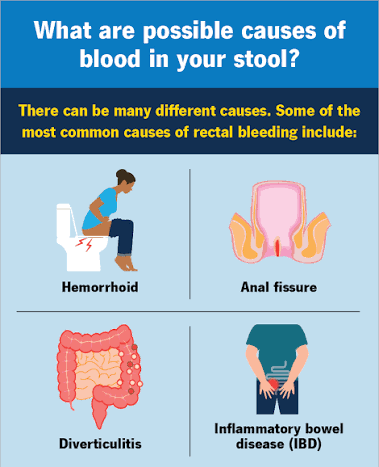
Blood in stool is a symptom that can have many causes, ranging from mild conditions like hemorrhoids and anal fissures to more serious diseases such as infections, inflammatory bowel disease, and colorectal cancer. The appearance of blood—bright red, dark red, or black—can provide clues to the source. While hemorrhoids are common, they should not be assumed as the only cause. Warning signs such as persistent bleeding, weight loss, anemia, or changes in bowel habits require medical evaluation. Early assessment by a surgeon and tests like colonoscopy help ensure accurate diagnosis and timely treatment for better outcomes.
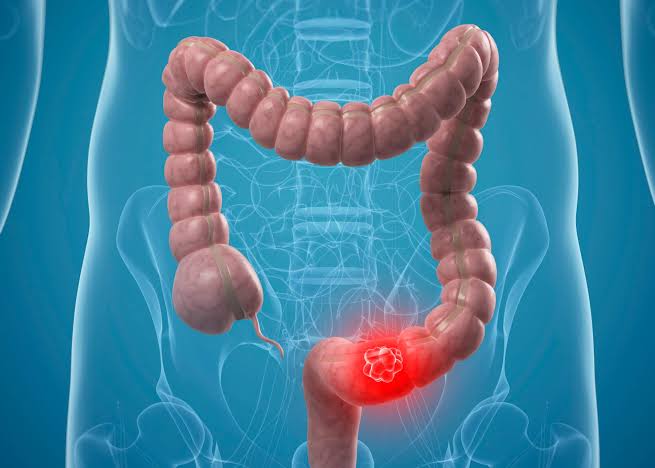
Colorectal cancer is increasingly affecting younger adults under 45, a trend linked to lifestyle factors such as diet, obesity, inactivity, and changes in gut health, as well as genetic risks. Symptoms like blood in stool, bowel habit changes, abdominal pain, and unexplained anaemia are often mistaken for benign conditions, leading to delayed diagnosis. While screening usually starts at age 45, younger individuals with risk factors or persistent symptoms may need earlier evaluation. Treatment includes surgery, chemotherapy, radiotherapy, and targeted therapy. Awareness and early investigation are essential to improve outcomes in younger patients with colorectal cancer.
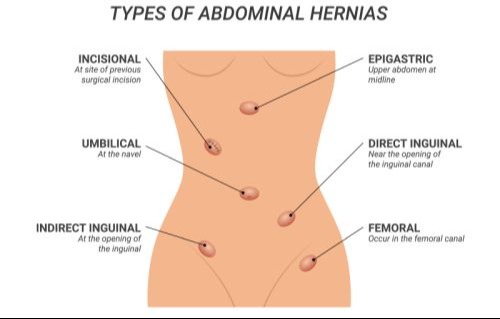
Hernia is a common condition where an internal organ pushes through a weak muscle wall, often causing a visible bulge. It does not heal on its own and usually requires surgery for permanent treatment. Modern hernia surgery using mesh repair or keyhole techniques is safe and effective, with most patients recovering within weeks. Early elective surgery is generally safer than emergency procedures.
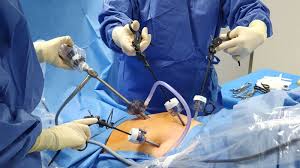
Minimally invasive surgery offers a safer and faster recovery option for many conditions. With small incisions, less pain, and quicker healing, most patients return to normal life sooner compared to traditional surgery. However, recovery still requires rest, wound care, and follow-up appointments for the best outcome.
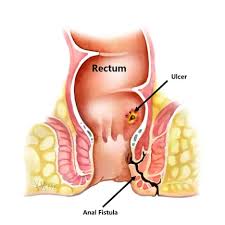
Anal fissure and anal fistula are often confused but are very different conditions. A fissure is a small tear in the anal lining, usually caused by constipation, leading to sharp pain and bright red bleeding during bowel movements. It often heals with medication and lifestyle changes. In contrast, a fistula is an abnormal tunnel caused by infection, leading to persistent pus discharge, swelling, and recurrent pain, and usually requires surgery. While fissures are simpler to treat, fistulas are more complex and rarely heal without surgical intervention. Early diagnosis by a doctor ensures proper treatment and prevents complications.