
Colorectal Cancer in Younger People
Colorectal Cancer is traditionally considered a disease of older adults. However, in the last decade, there has been a worrying global trend: more people under 45 are being diagnosed with colorectal cancer. This shift has important implications for awareness, screening, and early diagnosis.
Why Is Colorectal Cancer Increasing in Younger People?
Although the exact cause is not fully understood, several factors are strongly associated with rising cases in younger adults:
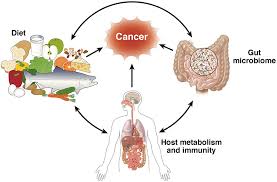
1. Lifestyle and Diet Changes
Modern diets are a major contributor:
- High intake of processed foods
- Increased consumption of red and processed meat
- Low fibre intake
- Sugary beverages and fast food habits
These changes affect gut health and may promote long-term inflammation in the bowel.
2. Sedentary Lifestyle
Younger adults today are more sedentary due to:
- Desk-based jobs
- Screen time and reduced physical activity
Lack of exercise is linked to slower bowel transit and metabolic changes that may increase cancer risk.
3. Obesity and Metabolic Syndrome
Rising rates of obesity and diabetes are closely linked to colorectal cancer risk. Excess body fat can cause:
- Chronic inflammation
- Hormonal imbalance
- Insulin resistance
4. Gut Microbiome Changes
Changes in gut bacteria due to diet, antibiotics, and lifestyle may play a role in early-onset cancer development.
5. Genetic and Family Factors
Some younger patients have inherited conditions such as:
- Lynch syndrome
- Familial adenomatous polyposis (FAP)
A family history of colorectal cancer significantly increases risk even at a young age.
Why It Is Often Diagnosed Late in Young Patients
One of the biggest challenges is delayed diagnosis.Doctors and patients may not suspect cancer because:
- “Too young for cancer” assumption
- Symptoms are mistaken for piles or irritable bowel syndrome
- Symptoms are mild or intermittent at first
This delay often leads to diagnosis at a more advanced stage.
Warning Symptoms in Younger Adults
Young patients should not ignore the following symptoms:
- Blood in stool (even small amounts)
- Persistent change in bowel habits (diarrhoea or constipation)
- Unexplained abdominal pain or bloating
- Iron deficiency anaemia
- Unexplained weight loss
- Mucus in stool
- Feeling of incomplete bowel emptying
Any persistent symptom lasting more than 2–3 weeks should be evaluated.
Screening: Should Younger People Be Tested?
Traditionally, screening for Colorectal Cancer starts at age 45 or 50 in average-risk individuals.
However, screening earlier may be recommended if:
- Strong family history of colorectal cancer
- Known genetic syndrome
- Long-standing inflammatory bowel disease
- Unexplained symptoms
Common screening tools include:
- Stool tests (FIT)
- Colonoscopy (gold standard)
Colonoscopy is particularly important because it can detect and remove precancerous polyps.
How Diagnosis Is Made
If symptoms or screening suggest a problem, further evaluation includes:
- Colonoscopy with biopsy
- CT scan or MRI to assess spread
- Blood tests including CEA levels
Younger patients are often found to have more aggressive disease at diagnosis, which makes early detection even more critical.
Treatment in Younger Patients
Treatment principles are similar to older patients but often more intensive due to better fitness levels and aggressive disease biology.
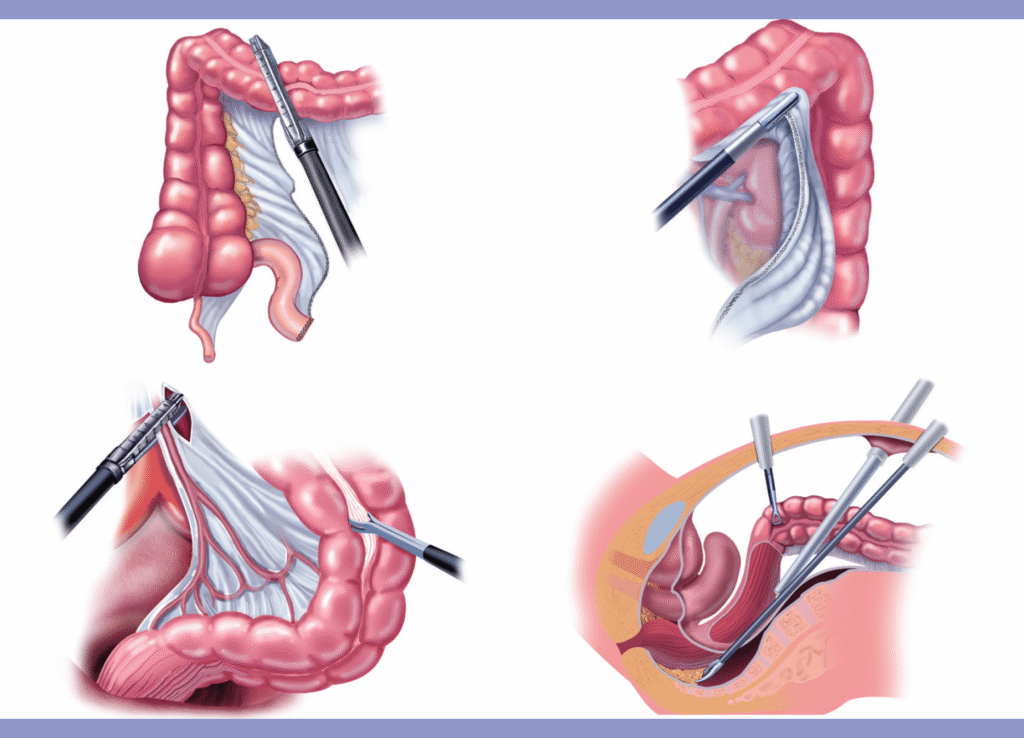
1. Surgery
- Main treatment for localized cancer
- Removal of tumour and lymph nodes
- Laparoscopic surgery commonly used
2. Chemotherapy
- Often used even in earlier stages in younger patients
- Helps reduce recurrence risk
- Standard regimens like FOLFOX or CAPOX are commonly used
3. Radiotherapy (for rectal cancer)
- Used before or after surgery
- Helps reduce local recurrence
4. Targeted and Immunotherapy
- Used in advanced or genetically specific cancers
- Depends on tumour molecular testing
Emotional and Life Impact in Young Patients
A diagnosis at a younger age affects more than physical health:
- Career disruption
- Fertility concerns
- Psychological stress
- Financial burden
- Impact on family planning and relationships
Multidisciplinary care including psychological and fertility counselling is often important.
Can It Be Prevented?
While not all cases are preventable, risk can be reduced:
- Eat a high-fibre, plant-rich diet
- Reduce processed meat intake
- Exercise regularly
- Maintain healthy body weight
- Avoid smoking and excessive alcohol
- Seek medical attention early for symptoms
- Consider early screening if high risk
Key Message
Colorectal cancer is no longer only a disease of older adults. Increasing cases in younger people mean that symptoms should never be ignored based on age alone. Early evaluation and timely colonoscopy can make a life-saving difference.