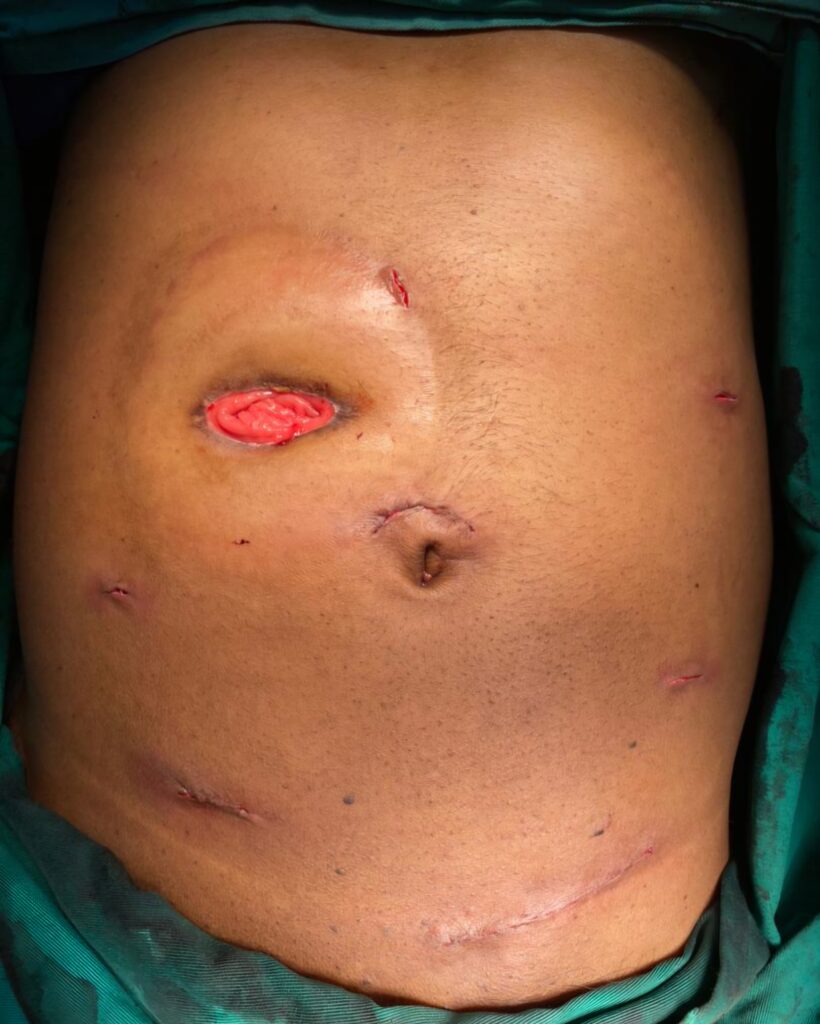
Minimally invasive surgery (MIS) has changed how many operations are performed today. Instead of large cuts, surgeons use small incisions and special instruments to carry out procedures with less trauma to the body.
Minimally Invasive Surgery is commonly used in procedures such as gallbladder removal, appendix surgery, hernia repair, colorectal surgery, and many gynecological operations.
What is Minimally Invasive Surgery
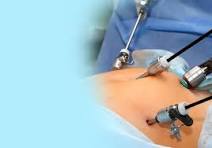
Minimally invasive surgery refers to techniques where surgeons operate through small cuts (usually 0.5–1.5 cm) instead of a large open incision.
Common methods include:
Laparoscopic surgery (keyhole surgery using a camera)
Robotic-assisted surgery (surgeon controls robotic arms)
Endoscopic procedures (using natural body openings like the mouth or rectum)
A small camera (laparoscope) projects images onto a screen, allowing precise movements inside the body.
Why Doctors Recommend It
Compared to traditional open surgery, minimally invasive techniques often provide:
Less pain after surgery
Smaller scars
Lower risk of infection
Shorter hospital stay
Faster return to normal activities
Less blood loss during surgery
However, not all conditions are suitable for MIS. Some complex or emergency cases may still require open surgery.
Before Surgery: What Happens
1. Pre-assessment
You will usually undergo:
Blood tests
Imaging (ultrasound / CT scan)
Anaesthetic review
2. Fasting instructions
You may be asked not to eat or drink for 6–8 hours before surgery.
3. Medication adjustment
Certain medications (like blood thinners) may need to be stopped or adjusted.
4. Consent discussion
Your surgeon will explain:
The procedure
Risks and benefits
Possible need to convert to open surgery
During the Surgery
Here’s what typically happens:
You are given general anaesthesia (you will be asleep).
Small incisions are made in the abdomen or targeted area.
Carbon dioxide gas may be used to gently inflate the space for better visibility.
A camera and surgical instruments are inserted.
The surgeon performs the operation while watching a magnified screen.
Instruments are removed and small incisions are closed with stitches or glue.
Most procedures last between 30 minutes to a few hours, depending on complexity.
After Surgery: Recovery Room Experience
After surgery, you will wake up in the recovery area:
You may feel:
Drowsy or groggy
Mild pain or tightness at incision sites
Shoulder discomfort (common after laparoscopic surgery due to gas used during surgery)
Nurses will monitor:
Blood pressure
Oxygen levels
Pain control
Most patients go home the same day or within 1–2 days, depending on the procedure.
Recovery at Home
First few days
Mild pain or discomfort is expected
You may feel tired easily
Light walking is encouraged to prevent blood clots
Incision care
Keep wounds clean and dry
Small dressings may be removed after a few days
Stitches may dissolve or be removed at follow-up
Diet
Start with light meals
Gradually return to normal diet
Activity
Avoid heavy lifting for 1–2 weeks (or as advised)
Most people return to normal work within 1–3 weeks
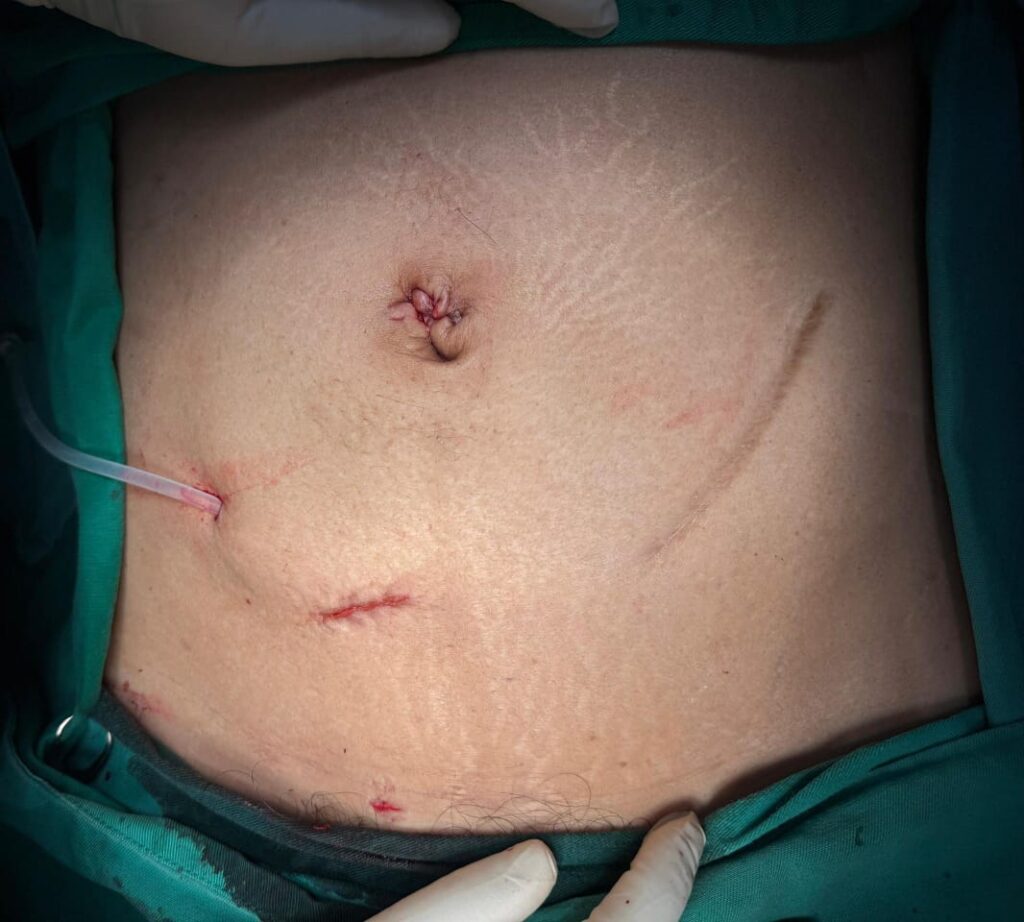
Incision for a laparoscopic surgery for Peritoneal Dialysis catheter placement
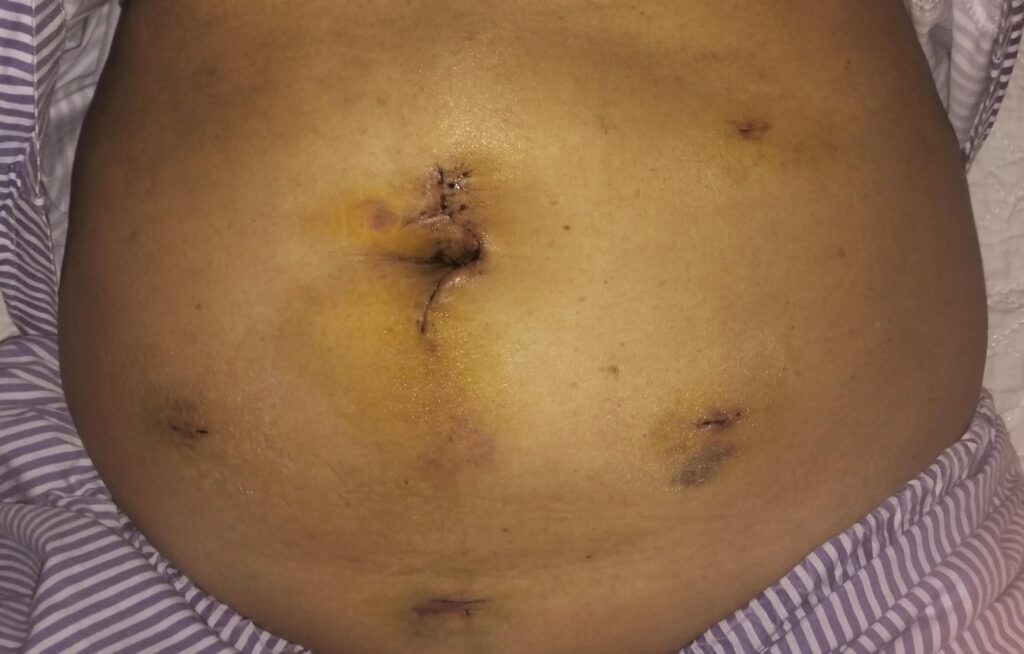
Incision site for a Colon Cancer surgery
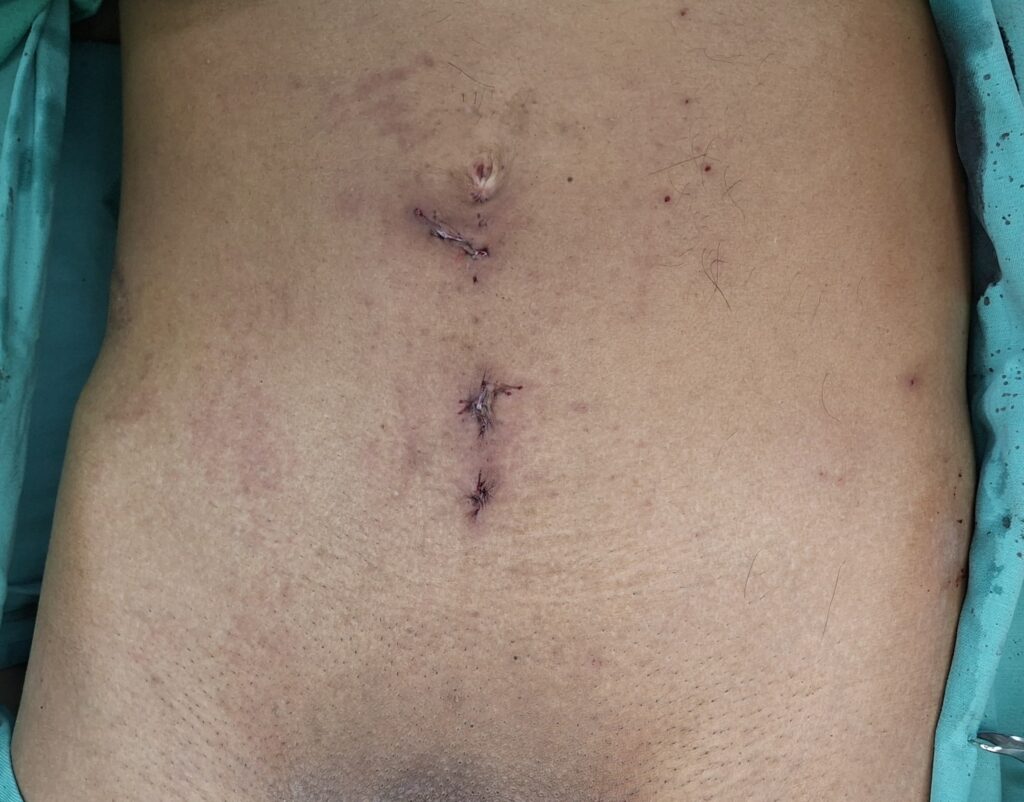
A laparoscopic Groin Hernia repair incision
Incision for laparoscopic Rectal Cancer surgery (there is a temporarystoma at the right)
Common Side Effects
Minimally invasive surgery is generally safe, but you may experience:
Mild pain at incision sites
Temporary bloating or gas discomfort
Fatigue for a few days
Shoulder pain (especially after laparoscopic procedures)
These symptoms usually improve quickly.
Possible Risks (Rare but Important)
Every surgery carries some risk. These include:
Bleeding
Infection
Injury to nearby organs
Blood clots
Need to convert to open surgery
Precautions will be taken to minimize these risks.
When to Seek Medical Help
Contact your doctor if you notice:
Fever
Severe or worsening pain
Redness or pus from wound
Persistent vomiting
Shortness of breath
Swollen legs
Return to Normal Life
Most patients recover faster compared to open surgery.
Typical timeline:
Light activities: 2–3 days
Office work: 1–2 weeks
Full physical activity: 3–6 weeks (depends on procedure)
Conclusion
Minimally invasive surgery offers a safer and faster recovery option for many conditions. With small incisions, less pain, and quicker healing, most patients return to normal life sooner compared to traditional surgery. However, recovery still requires rest, wound care, and follow-up appointments for the best outcome.