Anal Fistula vs Anal Fissure: Know the Difference
Pain or bleeding around the anus is commonly mistaken to be the same condition. However, two very different conditions—Anal fissure and Anal fistula—are often confused. While both affect the anal region, they differ significantly in cause, symptoms, severity, and treatment.
Understanding the difference helps patients seek the right treatment early and avoid complications.
What is an Anal Fissure?
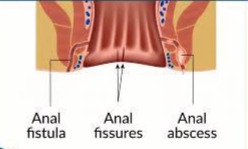
An anal fissure is a small tear or crack in the lining of the anal canal. It is usually caused by passing hard stools or repeated constipation.
Common Causes:
- Constipation and hard stool
- Straining during bowel movements
- Chronic diarrhea (less common)
- Childbirth trauma
Symptoms:
- Sharp, severe pain during and after passing stool
- Bright red blood on toilet paper or stool surface
- Burning sensation after bowel movement
- Small visible tear (in some cases)
What is an Anal Fistula?
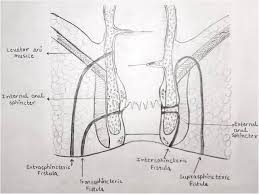
An anal fistula is an abnormal tunnel that forms between the inside of the anal canal and the skin near the anus. It usually develops after an infection or abscess.
Common Causes:
- Previous anal abscess
- Infection of anal glands
- Inflammatory bowel disease (e.g., Crohn’s disease)
- Rarely, tuberculosis or trauma
Symptoms:
- Persistent pus or discharge near the anus
- Recurrent swelling or abscess
- Pain that improves after discharge drains
- Small opening near the anus
- Foul smell or irritation
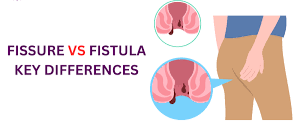
Key Differences Between Fistula and Fissure
| Feature | Anal Fissure | Anal Fistula |
|---|---|---|
| Type of problem | Tear in skin | Abnormal tunnel |
| Main cause | Hard stool, constipation | Infection or abscess |
| Pain pattern | Severe during bowel movement | Constant or recurring pain |
| Discharge | Usually none | Pus or fluid discharge |
| Bleeding | Bright red blood common | Rare |
| Healing tendency | Often heals with medication | Rarely heals without surgery |
| Treatment | Medical + lifestyle | Usually surgical |
Diagnosis
Doctors usually diagnose both conditions with:
- Physical examination
- Digital rectal examination
- Proctoscopy (if needed)
- MRI scan (especially for fistula cases)
Early consultation is important to avoid complications.
Treatment Options
Treatment for Anal Fissure:
- High-fibre diet and hydration
- Stool softeners
- Topical ointments (nitroglycerin, calcium channel blockers)
- Warm sitz baths
- Botox injection (in chronic cases)
- Surgery (lateral internal sphincterotomy) if persistent
Treatment for Anal Fistula:
- Antibiotics (temporary relief only)
- Drainage of abscess if present
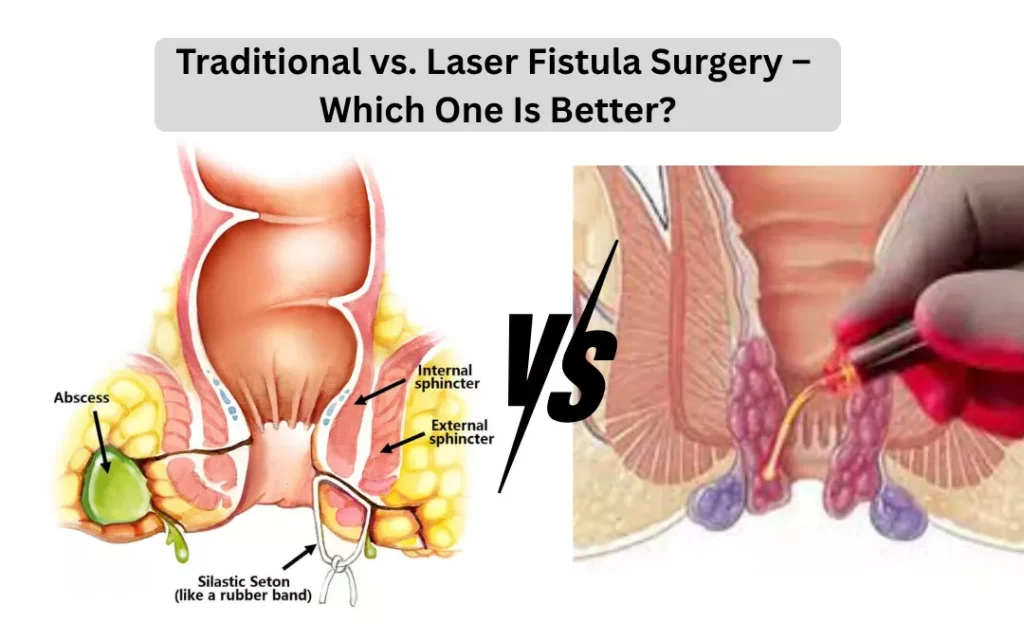
- Fistulotomy (most common surgery)
- Seton placement (for complex fistulas)
- Advancement flap or LIFT procedure in selected cases
When to See a Surgeon
Seek medical attention if you experience:
- Persistent pain beyond a few days
- Recurrent swelling near anus
- Pus or foul-smelling discharge
- Bleeding during bowel movement
- Difficulty sitting or walking due to pain
Can They be Prevented
Prevention for Fissure:
- Eat high-fibre diet (fruits, vegetables, whole grains)
- Drink plenty of water
- Avoid straining
Prevention for Fistula:
- Treat anal abscess early
- Maintain good anal hygiene
- Manage chronic bowel conditions
Conclusion
Although both conditions affect the anal region, anal fissure is a surface tear, while anal fistula is a deeper infection tract. Fissures often heal with simple medical care, whereas fistulas usually require surgery. Early diagnosis ensures faster recovery and prevents complications.