
Abdominal Pain: Understanding the Different Causes
Abdominal pain is one of the most common reasons people visit a doctor or emergency room. Because appendicitis is serious and needs surgery, many people worry that any belly pain must be appendicitis. The truth is that abdominal pain has many causes — most are not appendicitis. Knowing the differences, common causes, and red flags can help you get the right care faster.
What is appendicitis?
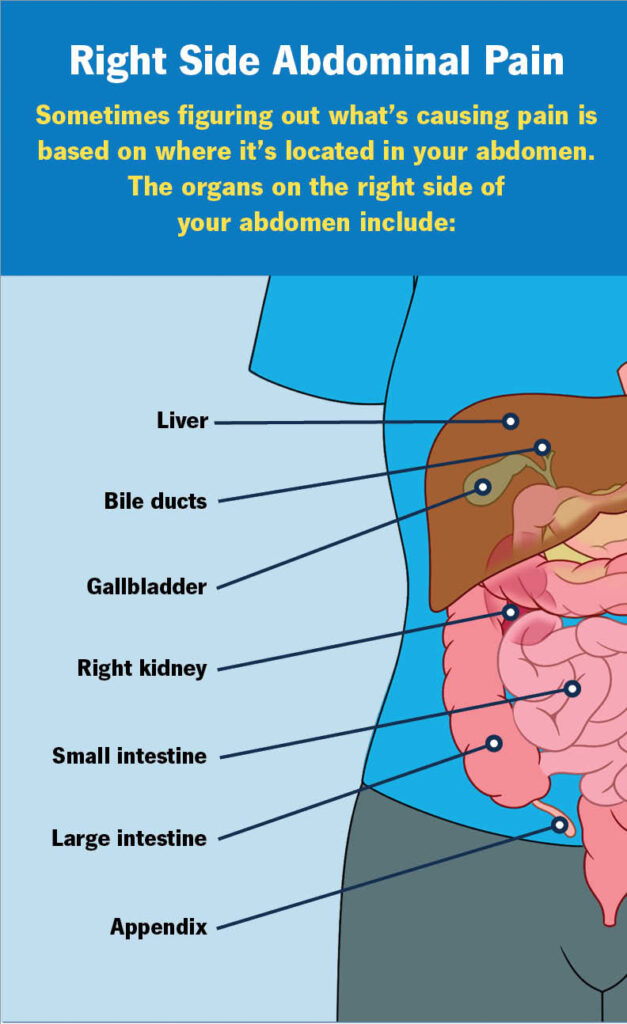
Appendicitis is inflammation of the appendix, a small pouch attached to the large intestine. Typical symptoms but not always, include:
- A dull pain near the belly button that shifts to the lower right side, worsening pain over hours, loss of appetite, nausea or vomiting, low-grade fever, and sometimes diarrhea or constipation.
- On exam, pressing on the lower right abdomen may be painful, and blood tests often show elevated white blood cells or inflammation markers.
- Doctors usually confirm appendicitis with imaging such as an ultrasound or CT scan.

Why most belly pain isn’t appendicitis?
Many conditions can cause abdominal pain that may feel similar to appendicitis. Most of these are less serious and treatable without surgery. Common alternatives include:
-
Gastroenteritis (stomach flu): Caused by viruses or bacteria, it often brings crampy belly pain, frequent watery diarrhea, nausea, vomiting, and sometimes fever. Pain tends to come and go and improves as the infection clears.
-
Constipation: Hard stools and difficulty passing them can produce crampy or sharp lower abdominal pain, bloating, and a feeling of fullness. Pain often improves after a bowel movement.
-
Urinary tract infection (UTI) or kidney stones: UTIs can cause lower abdominal pain and burning with urination. Kidney stones cause intense, sharp pain that often comes in waves and may radiate to the groin.
-
Gynecological causes (females): Ovarian cysts, ectopic pregnancy, ovarian torsion, or pelvic inflammatory disease can cause lower abdominal pain. A pregnancy test is essential when pregnancy is possible.
-
Biliary and pancreatic issues: Gallstones and gallbladder inflammation cause pain in the upper right or center abdomen, sometimes after fatty meals. Pancreatitis causes severe upper abdominal pain that can radiate to the back.
-
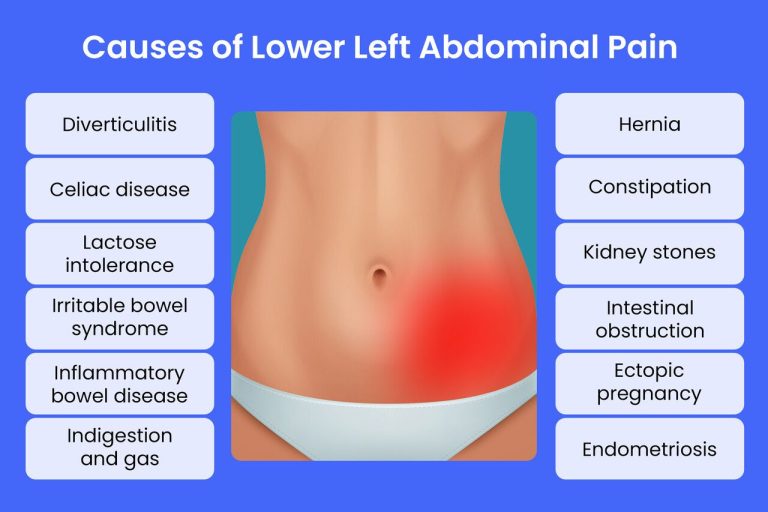
Diverticulitis: Inflammation of small pouches in the colon often causes left lower abdominal pain, fever, and changes in bowel habits.
-
Functional abdominal pain and IBS: Irritable bowel syndrome and functional pain disorders cause chronic or recurrent abdominal pain linked to bowel habits, stress, or certain foods.
Key differences to watch for
Location: Appendicitis classically moves from around the belly button to the lower right side. Upper abdominal pain is less likely to be appendicitis. Left-sided pain is usually not appendicitis.
Pattern: Appendicitis pain typically worsens steadily over hours. Crampy, intermittent pain that comes and goes is more typical of gas, indigestion, or bowel issues.
Associated symptoms: Vomiting that occurs after pain begins, loss of appetite, and a mild fever point toward appendicitis. Frequent watery diarrhea, severe nausea and vomiting, or urinary symptoms suggest other causes.
Risk factors: Childbearing-age women need pregnancy testing for any abdominal pain. A history of kidney stones, gallstones, recent food exposure, or chronic bowel problems helps point toward non-appendicitis causes.
When to seek urgent care or the ER
Some signs mean you should get immediate medical attention:
- Sudden, severe, or worsening abdominal pain
- Pain with a rigid (hard) abdomen or inability to pass gas/stool
- High fever, rapid heart rate, fainting, dizziness, or severe weakness
- Bloody stool or vomit
- Pain during pregnancy or positive pregnancy test
- Severe vomiting that prevents keeping down fluids
- Pain that radiates to the shoulder along with shortness of breath (possible gallbladder or other serious issues)
What to expect at the doctor
- Consultation with a focused history, and an exam.
- Tests: pregnancy test for those who could be pregnant, urine tests, blood tests (like CBC and inflammation markers), and sometimes abdominal ultrasound or CT scan.
- Treatment depends on the diagnosis: antibiotics and surgery for appendicitis, fluids and rest for gastroenteritis, pain control and possible procedures for kidney stones, or specific care for gynecologic issues.
Simple home care (when symptoms are mild and not urgent)
- Rest, sip clear fluids, and avoid solid foods if vomiting.
- Use a heating pad for crampy pain (unless your abdomen is hard or very tender — then avoid heat).
- Over-the-counter pain relief like acetaminophen can help; avoid NSAIDs (ibuprofen, naproxen) if you suspect stomach bleeding or have kidney disease unless advised by a doctor.
- Try fiber, a stool softener, or laxative for constipation if appropriate.
- Seek care if symptoms fail to improve within 24–48 hours or get worse.
Bottom line
Not all abdominal pain is appendicitis. Most causes are less serious and can be treated with simple measures or outpatient care. However, because appendicitis and other dangerous conditions can look similar early on, it’s important to watch for red flags and seek prompt medical attention when pain is severe, worsening, or accompanied by worrying symptoms. If in doubt, contact for a consultation or go to the nearest emergency department.