When will I need Thyroid surgery?
The thyroid is a small butterfly-shaped gland located at the front of the neck. It produces hormones that regulate metabolism, energy levels, heart rate, and many other important body functions. Thyroid problems are common, and many people worry that a thyroid lump automatically means surgery is necessary.
The good news is that not all thyroid conditions require an operation. Many thyroid nodules and thyroid disorders can be safely monitored or treated with medication. However, there are situations where thyroid surgery becomes the best or safest option.
What Is Thyroid Surgery?
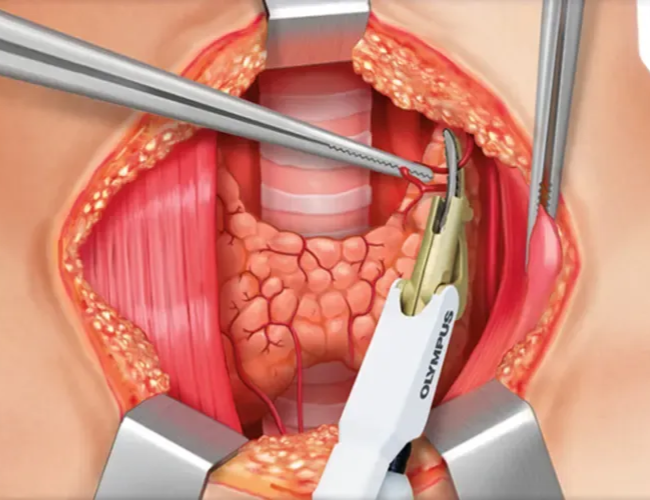
Thyroid surgery, also known as thyroidectomy, involves removing part or all of the thyroid gland. Depending on the condition, your surgeon may perform:
- Hemithyroidectomy (lobectomy): Removal of one half of the thyroid.
- Total thyroidectomy: Removal of the entire thyroid gland.
- Completion thyroidectomy: Removal of the remaining thyroid tissue after a previous partial surgery.
Your surgeon will recommend the most appropriate procedure based on your diagnosis.
1. You May Need Surgery If You Have Thyroid Cancer
One of the most common reasons for thyroid surgery is thyroid cancer.
Features that may raise suspicion for cancer include:
- A thyroid nodule that appears suspicious on ultrasound.
- Fine needle aspiration (FNA) biopsy showing cancer or possible cancer.
- Enlarged lymph nodes in the neck.
- Rapidly growing thyroid lump.
- Family history of thyroid cancer.
- Previous radiation exposure to the head or neck.
Not every thyroid nodule is cancerous. In fact, most thyroid nodules are benign. However, when cancer is confirmed or strongly suspected, surgery is usually recommended.
Fortunately, most thyroid cancers, especially papillary thyroid cancer, have an excellent prognosis when diagnosed and treated early.
2. You Have a Large Goitre Causing Symptoms
A goitre refers to an enlarged thyroid gland.
Some goitres are small and do not cause any symptoms. Others may continue to grow and cause pressure on surrounding structures.
Surgery may be recommended if a large goitre causes:
- Difficulty swallowing.
- Difficulty breathing.
- Sensation of choking or tightness in the neck.
- Persistent cough.
- Voice changes or hoarseness.
- Visible neck swelling causing cosmetic concerns.
Large goitres extending into the chest (retrosternal goitres) may also require surgery because they can compress the airway.
3. Your Thyroid Nodule Is Growing
Thyroid nodules are very common, particularly in women and older adults.
Most thyroid nodules are harmless and can simply be monitored with regular ultrasound scans. However, surgery may be advised if:
- The nodule continues to enlarge over time.
- The nodule becomes symptomatic.
- Biopsy results are indeterminate or suspicious.
- Repeated biopsies fail to provide a clear diagnosis.
Growth alone does not always mean cancer, but enlarging nodules should be carefully assessed by a specialist.
4. You Have Hyperthyroidism That Cannot Be Controlled
Hyperthyroidism occurs when the thyroid gland produces excessive thyroid hormones.
Common causes include Graves’ disease and toxic multinodular goitre.
Initial treatment usually involves medications. However, surgery may be recommended if:
- Medications are ineffective.
- Symptoms recur after stopping medication.
- Side effects from medication occur.
- The thyroid gland is very large.
- A suspicious nodule is present.
- The patient prefers definitive treatment.
Removing the thyroid can permanently cure hyperthyroidism.
5. Your Biopsy Results Are Suspicious or Indeterminate
Fine needle aspiration (FNA) biopsy is commonly used to evaluate thyroid nodules.
Sometimes biopsy results are reported as:
- Atypia of undetermined significance.
- Follicular neoplasm.
- Suspicious for malignancy.
These results do not always mean cancer is present. However, because biopsy cannot always distinguish between benign and malignant follicular lesions, surgery may be recommended to obtain a definitive diagnosis.

Do All Thyroid Nodules Need Surgery?
No.
Most thyroid nodules are benign and do not require an operation. Many patients only need:
- Regular follow-up.
- Ultrasound monitoring.
- Repeat biopsy if necessary.
- Thyroid function tests.
I will consider factors such as ultrasound findings, biopsy results, symptoms, and your overall health before recommending surgery.
What Are the Benefits of Thyroid Surgery?
Thyroid surgery can:
- Remove thyroid cancer.
- Relieve pressure symptoms.
- Improve swallowing and breathing.
- Cure hyperthyroidism.
- Provide a definitive diagnosis.
- Improve quality of life.
Is Thyroid Surgery Safe?
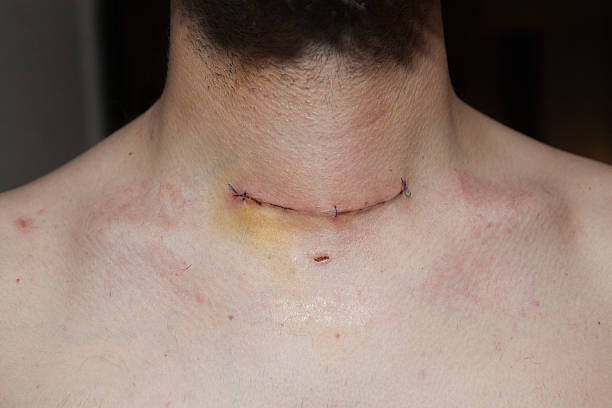
Thyroid surgery is generally safe. As with any operation, complications can occur, although serious complications are uncommon.
Potential risks include:
- Bleeding.
- Infection.
- Voice changes due to nerve injury.
- Low calcium levels.
- Need for lifelong thyroid hormone replacement.
When Should You See a Doctor?
Seek medical evaluation if you notice:
- A new lump in the neck.
- Rapidly enlarging neck swelling.
- Difficulty swallowing or breathing.
- Persistent hoarseness.
- Unexplained voice changes.
- Family history of thyroid cancer.
Early assessment allows appropriate treatment and peace of mind.
Conclusion
Not all thyroid conditions require surgery. Many thyroid nodules are benign and can be safely monitored. However, surgery may be necessary for thyroid cancer, suspicious nodules, large goitres causing symptoms, uncontrolled hyperthyroidism, or enlarging thyroid masses. If you have concerns about a thyroid lump or thyroid disease, consult a surgeon for a thorough evaluation and personalised treatment plan.