Hernia is a very common condition, and many people are surprised when they are told they need surgery. Some worry unnecessarily, while others delay treatment for years. The truth is simple: hernia surgery is safe, routine, and very effective—but it is important to understand what it can and cannot do
What Is a Hernia?
Hernia happens when an internal part of the body (usually fat or intestine) pushes through a weak area in the muscle wall.
Common types:
Groin hernia (inguinal hernia)
Belly button hernia (umbilical hernia)
Hernia after surgery (incisional hernia)
It usually looks like a soft bulge that may become more obvious when standing, coughing, or lifting.
Important Truth #1: Hernias Do NOT Heal on Their Own
This is the most important fact.
A hernia:
Will not disappear with medication
Will not heal with exercise
Will not be fixed by belts or traditional remedies
These may reduce discomfort, but the hole in the muscle remains. Over time, most hernias slowly get bigger.
👉 The only permanent treatment is surgery.
Important Truth #2: Not All Hernias Need Emergency Surgery
Many patients think a hernia is always an emergency. That is NOT true.
If the hernia is:
Soft
Reducible (goes back in)
Not painful
It can usually be planned for elective surgery.
But seek urgent help if:
Sudden severe pain
Hard swelling that cannot be pushed back in
Vomiting or bloating
Fever with groin or abdominal pain
These may be signs of a dangerous complication.
Important Truth #3: Waiting Too Long Can Be Risky
Some people delay surgery for years because they feel “okay.”
But hernias can:
Slowly increase in size
Become more uncomfortable
Suddenly become trapped (emergency situation)
Emergency surgery is usually more complicated than planned surgery.
How Hernia Surgery Works
Hernia surgery repairs the weak area in the muscle wall and pushes the tissue back into place.
There are two main methods:
1. Open Hernia Surgery
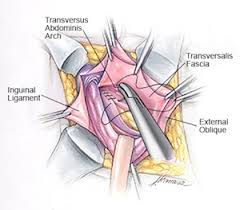
One small cut over the hernia
Mesh is often placed to strengthen the area
Non mesh tissue repair- Durable outcome similar to mesh repair
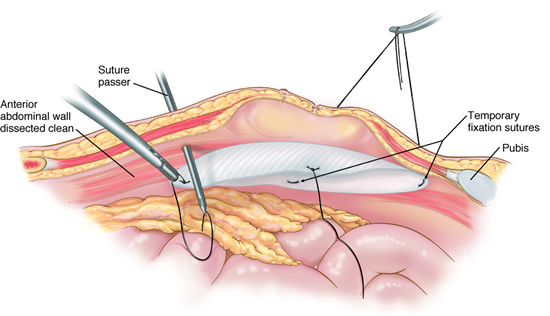
2. Keyhole (Laparoscopic) Surgery
Small cuts with a camera
Less pain for some patients
Faster return to normal activity in selected cases
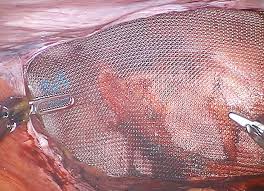
Most modern repairs use a mesh, which strengthens the weak area and reduces the chance of the hernia coming back.
Tissue repair(non-Mesh repair)
IPOM is one type of Laparoscopic ventral hernia repair
Mesh placement in Laparoscopic repair
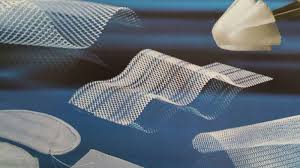
There are various types of mesh in industry which serves the same purpose.
Is Mesh Safe?
Many patients worry about mesh.
The facts:
Mesh is widely used worldwide
It significantly reduces recurrence
Serious complications are uncommon
No surgery is 100% risk-free, but mesh is considered safe and standard in modern hernia repair.
Recovery: What to Expect
Recovery is usually faster than most patients expect:
Walking: same day or next day
Light daily activity: within a few days
Office work: 1–2 weeks
Heavy lifting: 4–6 weeks (varies by case)
Some tightness or mild discomfort is normal during healing.
Will the Hernia Come Back?
Most patients do very well after surgery. However, recurrence can happen if:
Heavy lifting too early
Chronic coughing
Constipation and straining
Obesity
Good lifestyle habits help protect the repair.
When Should You Consider Surgery?
Surgery is usually recommended if:
The hernia is growing
It causes discomfort or pain
It affects work or daily life
You want to prevent future complications
For most healthy patients, planned surgery is safer than waiting.
Key Message
Hernia is common and very treatable. It does not go away on its own, and the safest approach is usually planned surgery before complications occur.
Modern hernia surgery is:
Safe
Quick
Highly effective
Associated with fast recovery
The biggest risk is not the operation—it is delaying it too long