Breast lumps are usually evaluated using a process called triple assessment, which includes:
- Clinical examination
- Breast imaging
- Tissue diagnosis (biopsy) when indicated
Combining these three components provides the highest accuracy in diagnosing breast conditions.
1. Clinical Breast Examination
Your doctor will begin by taking a detailed medical history.
Questions may include:
- When did you first notice the lump?
- Has the lump changed in size?
- Is the lump painful?
- Is there any nipple discharge?
- Do you have a family history of breast cancer?
- Have you had previous breast problems or surgery?
A physical examination will then be performed.
Your doctor will assess:
- The size and location of the lump
- Whether the lump is mobile or fixed
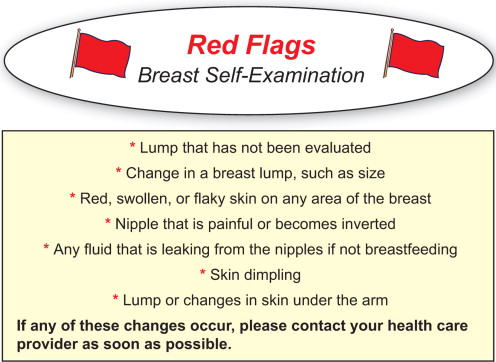
- Skin changes over the breast
- Nipple abnormalities
- Both breasts for comparison
- Lymph nodes in the armpits and neck
While examination provides important clues, further tests are often required.
2. Breast Imaging
Imaging studies help determine the nature of the lump.
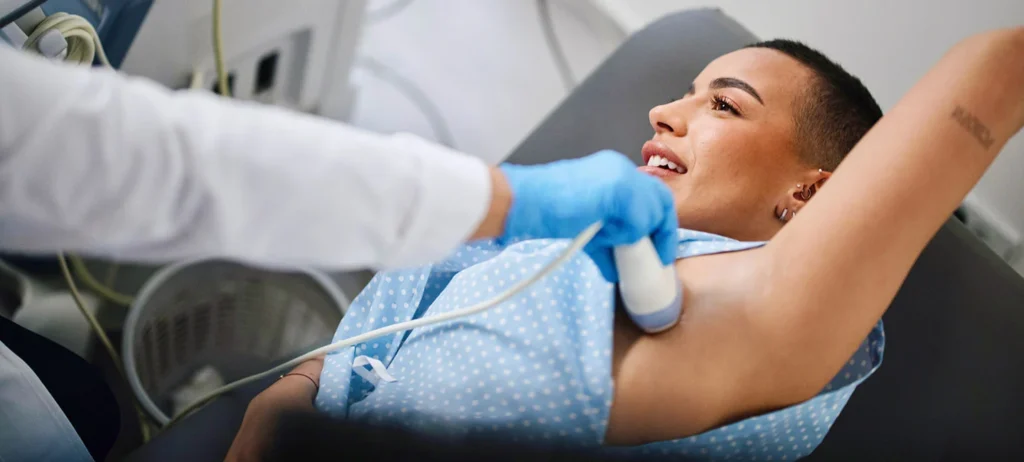
Ultrasound
Breast ultrasound is often the first imaging test in younger women, particularly those below 40 years of age.
Ultrasound can help distinguish between:
- Solid lumps
- Fluid-filled cysts
- Benign-looking lesions
- Suspicious masses
Ultrasound is painless and does not involve radiation.
Mammography
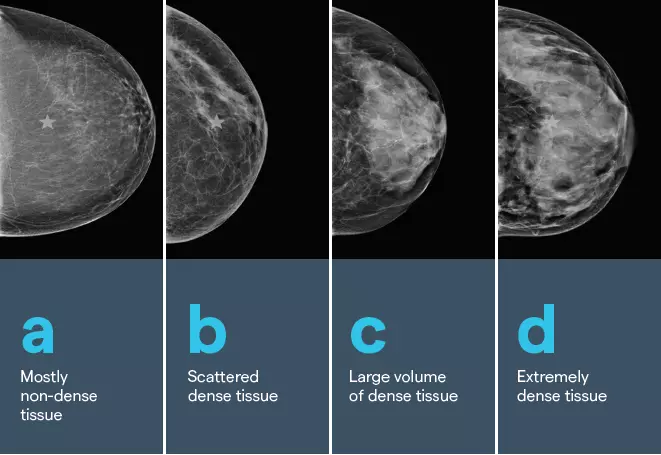
Mammography uses low-dose X-rays to examine breast tissue.
It is usually recommended for women aged 40 years and above or when breast cancer is suspected.
Mammography can detect:
- Small cancers
- Microcalcifications
- Architectural distortion
- Masses not easily felt on examination
Many patients undergo both mammography and ultrasound for a more complete evaluation.
Magnetic Resonance Imaging (MRI)
Breast MRI is not routinely required for all breast lumps.
MRI may be recommended in selected situations, such as:
- High-risk patients
- Inconclusive imaging findings
- Assessment of cancer extent
- Screening in women with strong family histories
3. Tissue Diagnosis (Biopsy)
A biopsy involves obtaining a tissue sample from the lump for microscopic examination.
A biopsy is recommended when imaging or examination findings are suspicious.
Fine Needle Aspiration (FNA)
FNA uses a thin needle to collect cells from the lump.
It is simple and minimally invasive but may not always provide enough information.
Core Needle Biopsy
Core biopsy is the preferred method for evaluating suspicious breast lesions.
A larger needle is used to remove small tissue samples.
Core biopsy can provide:
- A definitive diagnosis
- Information on tumour type
- Hormone receptor status if cancer is present
The procedure is usually performed under local anaesthesia.