
Blood in Stool: Causes, Warning Signs, and When to Seek Medical Help
Blood in stool is a symptom that can be alarming, but it is important to understand that it does not always indicate a serious disease. Many cases are caused by benign conditions such as hemorrhoids or anal fissures. However, in some cases, it may signal more serious conditions involving the colon or rectum. Proper evaluation is essential to identify the cause.
In Malaysia and globally, colorectal symptoms are becoming increasingly important due to rising awareness of early detection of colorectal diseases, including cancer.
What Does Blood in Stool Mean?
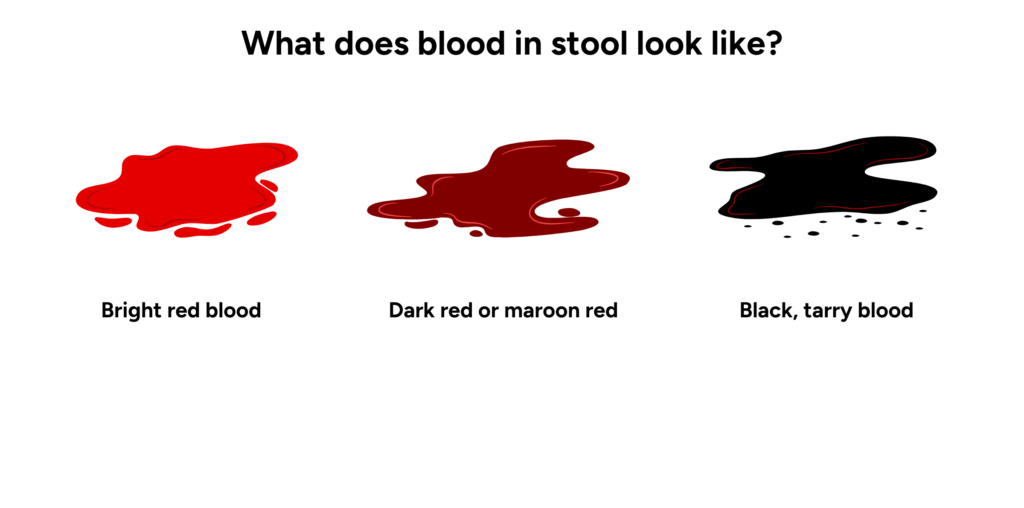
Blood in stool refers to the presence of visible or hidden blood during or after bowel movements. It may appear as:
- Bright red blood on toilet paper or stool surface
- Dark red or maroon-colored stool
- Black, tarry stool (suggesting bleeding from higher in the digestive tract)
- Occult blood (not visible, detected through testing)
The appearance of blood often gives clues about the possible source of bleeding.
.
Common Causes of Blood in Stool
1. Hemorrhoids (Piles)
Hemorrhoids are swollen blood vessels around the anus or lower rectum. They are one of the most common causes of rectal bleeding.
Typical features:
- Bright red blood
- Painless bleeding in many cases
- Itching or discomfort around the anus
- Associated with constipation or straining
Although common, hemorrhoids should not be assumed as the only cause of bleeding.
2. Anal Fissure
An anal fissure is a small tear in the lining of the anus.
Symptoms include:
- Sharp pain during bowel movements
- Bright red bleeding
- History of hard stools or constipation
This condition is very common in young adults and postpartum women.
3. Inflammatory Bowel Disease (IBD)
Chronic inflammation of the intestines can lead to bleeding.
Key conditions include:
Ulcerative Colitis
Crohn’s Disease
Symptoms may include:
- Blood mixed with stool
- Chronic diarrhea
- Abdominal pain
- Weight loss or fatigue
These conditions often require long-term medical management.
4. Colorectal Polyps and Cancer
One of the most important conditions to rule out is: Colorectal Cancer
Early colorectal cancer may cause subtle symptoms such as:
- Intermittent rectal bleeding
- Change in bowel habits (constipation or diarrhea)
- Unexplained anemia or fatigue
- Weight loss in advanced stages
Polyps are benign growths that can sometimes bleed and may develop into cancer over time. Early screening and removal is important, especially for individuals above 45 years old or those with a family history.
5. Infections
Bacterial infections of the intestine (such as food poisoning) can cause:
- Diarrhea with blood or mucus
- Fever
- Abdominal cramps
These usually resolve with treatment but may require surgery at times.
6. Diverticular Disease
Small pouches in the colon wall (diverticula) can bleed.
Features:
- Sudden painless bleeding
- Can be significant in volume
- More common in older adults
Only 10% require surgery to stop the bleeding.
7. Ischemic Colitis
This occurs when blood flow to part of the colon is reduced.
Symptoms:
- Sudden abdominal pain
- Blood in stool
- More common in older patients or those with vascular disease
When Should You Be Concerned?
You should seek medical attention if you experience:
- Repeated episodes of bleeding
- Large amounts of blood
- Black or tarry stools
- Unexplained weight loss
- Persistent change in bowel habits
- Fatigue or signs of anemia
- Age above 40–45 with new onset bleeding
- Family history of colorectal cancer
Even if hemorrhoids are suspected, confirmation by a surgeon is important.

How Doctors Evaluate Blood in Stool
A doctor will usually start with:
- Medical history and symptom review
- Physical examination (including digital rectal exam)
- Stool tests if needed
- Blood tests to check for anemia
- Colonoscopy if indicated
A colonoscopy allows direct visualization of the colon and is the most accurate way to identify serious causes.
Key Message
Blood in stool is a symptom with many possible causes. While hemorrhoids are common and often harmless, they are not the only explanation. Conditions like infections, inflammatory bowel disease, and colorectal cancer must be considered, especially in adults with new or persistent symptoms.
Early medical evaluation leads to better outcomes and peace of mind.