
Gastroscopy & Colonoscopy
Endoscopic Examination for Digestive Health and Colorectal Cancer Screening
Experiencing persistent abdominal discomfort, acid reflux, changes in bowel habits or blood in your stool?
Gastroscopy (OGDS) and colonoscopy are procedures that allow doctors to examine the digestive tract using a thin, flexible camera. They help identify conditions such as gastritis, ulcers, inflammation, colorectal polyps and certain gastrointestinal cancers.
Dr Vethunan Tamalvanan, Consultant General Surgeon, provides gastrointestinal endoscopy services, including gastroscopy, colonoscopy, biopsy and polyp removal where appropriate.
Accurate diagnosis, appropriate screening and personalised care for your digestive health.
What Is Gastroscopy (OGDS)?
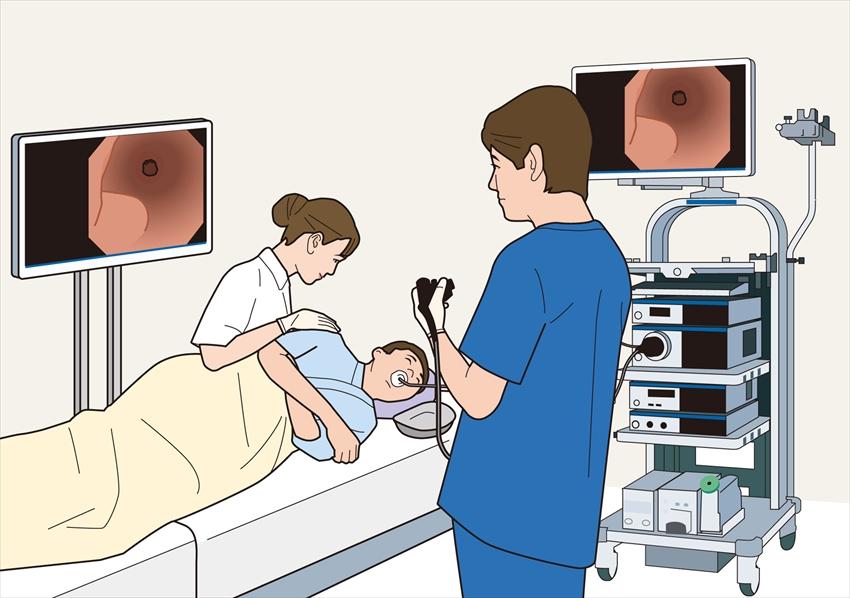
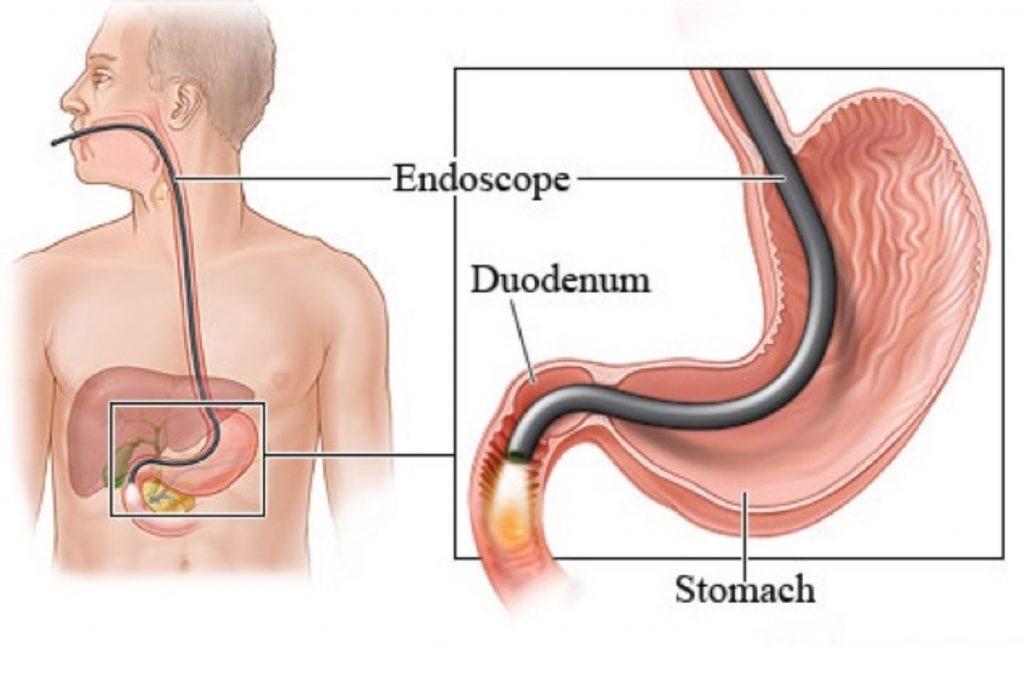
Gastroscopy, also known as Oesophagogastroduodenoscopy (OGDS), is a procedure used to examine the upper digestive tract.
A thin, flexible endoscope with a camera is gently passed through the mouth to examine the:
Oesophagus (food pipe)
Stomach
Duodenum (first part of the small intestine)
The examination allows direct visualisation of the digestive tract lining and enables tissue samples (biopsies) to be taken when necessary.
When Is Gastroscopy Recommended?
Your doctor may recommend gastroscopy if you experience:
Persistent upper abdominal pain or discomfort
Difficulty swallowing (dysphagia)
Persistent vomiting
Recurrent or persistent acid reflux despite appropriate treatment
Suspected stomach or duodenal ulcers
Unexplained iron deficiency anaemia
Vomiting blood or passing black, tarry stools
Unexplained weight loss associated with digestive symptoms
Gastroscopy may also be performed for selected patients requiring assessment of Barrett’s oesophagus, Helicobacter pylori infection or other upper gastrointestinal conditions.
Not every patient with indigestion or acid reflux requires gastroscopy. The need for endoscopy depends on symptoms, age, risk factors and clinical assessment.
What Conditions Can Gastroscopy Detect?
Gastroscopy can help diagnose:
Gastritis and Peptic Ulcers
Inflammation or ulceration of the stomach and duodenal lining.
Gastroesophageal Reflux Disease (GERD)
Assessment for reflux-related complications, including erosive oesophagitis and Barrett’s oesophagus.
Helicobacter pylori Infection
Stomach biopsies can be obtained for testing when indicated.
Oesophageal and Gastric Cancer
Gastroscopy allows suspicious lesions to be identified and biopsied for further examination.
Upper Gastrointestinal Bleeding
The source of bleeding may be identified, and endoscopic treatment can sometimes be performed during the same procedure.
What Is Colonoscopy?
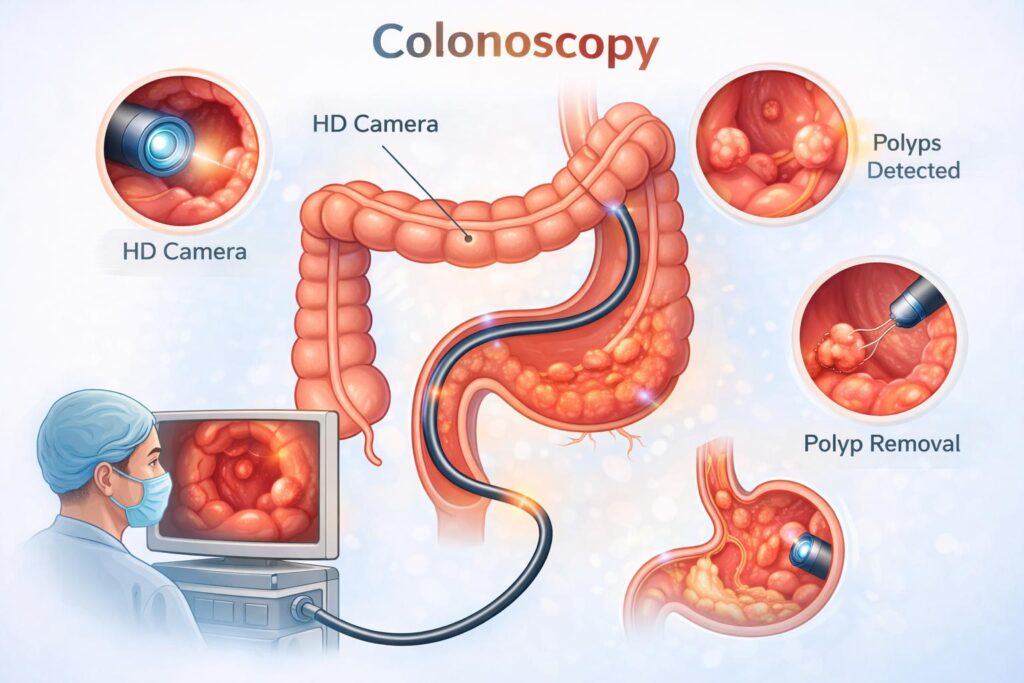
Colonoscopy is an endoscopic procedure used to examine the rectum and large intestine (colon).
A flexible camera is gently inserted through the anus and advanced through the colon to examine its inner lining.
Colonoscopy is particularly valuable because it allows doctors to detect and remove precancerous colorectal polyps, potentially preventing colorectal cancer.
When Is Colonoscopy Recommended?
Colonoscopy may be recommended for:
Blood in the stool or rectal bleeding
Persistent changes in bowel habits
Unexplained chronic diarrhoea
Unexplained iron deficiency anaemia
Suspected colorectal polyps or cancer
Abnormal stool screening tests such as FIT
Family history of colorectal cancer or advanced polyps
Colorectal cancer screening in eligible individuals
Surveillance after previous colorectal polyps or colorectal cancer
The decision to undergo colonoscopy depends on your symptoms, medical history and individual risk.
Colonoscopy for Colorectal Cancer Screening
Colorectal cancer is one of the most common cancers in Malaysia.
It often develops from precancerous growths called adenomatous polyps over several years.
Early detection and removal of precancerous polyps can reduce the risk of developing colorectal cancer.
When Should Colorectal Cancer Screening Begin?
For average-risk adults, many international guidelines recommend beginning colorectal cancer screening at 45 years of age.
In Malaysia, population screening pathways commonly use FIT-based screening, with age eligibility depending on national or local programmes.
Colonoscopy is one of several effective screening options and may be recommended based on individual risk, preference and screening findings.
Patients with a family history of colorectal cancer or certain hereditary conditions may require screening at an earlier age.
What Is a Colorectal Polyp?
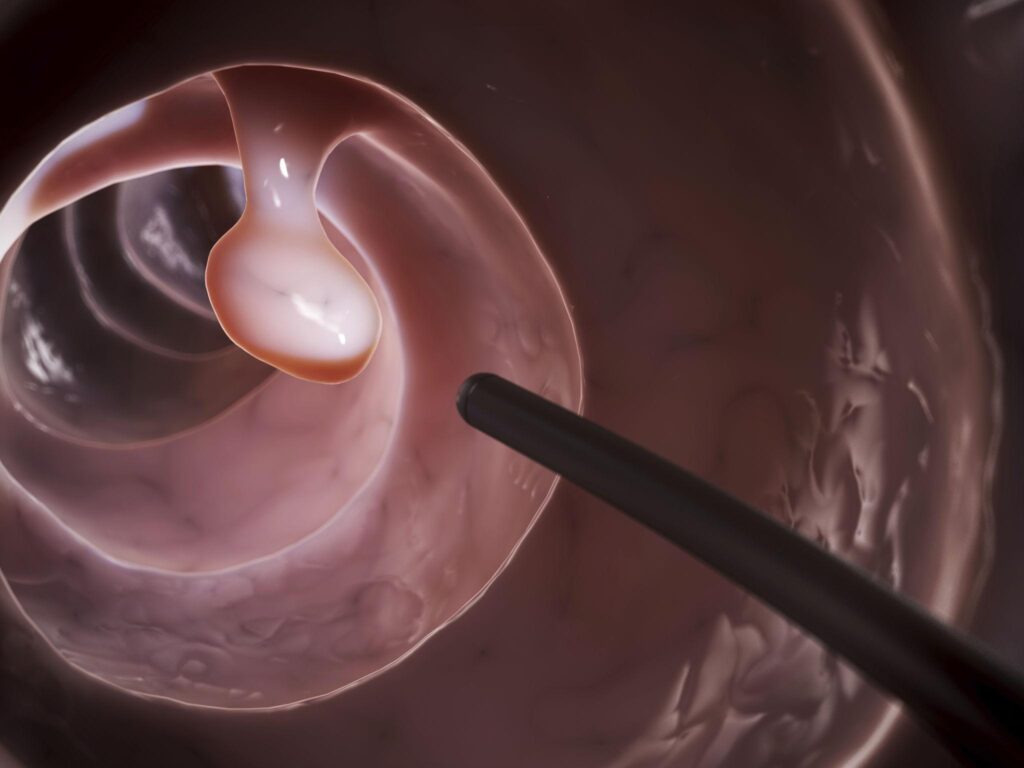
A colorectal polyp is a growth arising from the inner lining of the large intestine.
Although many polyps are benign, some can develop into cancer over time.
During colonoscopy, suitable polyps can often be removed using specialised endoscopic instruments.
The removed tissue is sent for histopathological examination to determine the type of polyp and guide future surveillance.
What Happens During Gastroscopy or Colonoscopy?
Before the Procedure
Your doctor will review your symptoms, medical history, medications and the indication for endoscopy.
Gastroscopy Preparation
You will be instructed to fast before the procedure to ensure the stomach is empty.
Colonoscopy Preparation
You will need bowel preparation using prescribed laxative medication to clear stool from the colon.
Good bowel preparation is essential for accurate examination and polyp detection.
Inform your doctor if you take blood thinners, have diabetes or have significant medical conditions. Do not stop prescribed medications without medical advice.
During the Procedure
Gastroscopy usually takes approximately 5–15 minutes for a straightforward diagnostic examination.
Colonoscopy commonly takes around 20–45 minutes, although the duration may vary depending on the findings and whether additional procedures are performed.
Sedation or anaesthesia may be offered depending on the procedure, your medical condition and hospital arrangements.
Biopsies or polyp removal may be performed when indicated.
After the Procedure
You will be monitored during recovery.
Many patients can return home on the same day following an uncomplicated outpatient endoscopy.
If sedation has been administered, you will generally need someone to accompany you home and should avoid driving, alcohol and important decisions for the period specified by your care team, commonly 24 hours.
Is Gastroscopy or Colonoscopy Safe?
Both procedures are commonly performed and generally safe when undertaken by appropriately trained clinicians.
However, potential complications include:
Bleeding, particularly following polyp removal
Perforation of the digestive tract
Adverse reactions to sedation or anaesthesia
Aspiration or breathing-related complications
Infection, although uncommon
Missed lesions despite careful examination
Your doctor will explain the benefits, risks and alternatives before the procedure.
Frequently Asked Questions
Is gastroscopy painful?
Gastroscopy may cause temporary throat discomfort or gagging. Throat anaesthetic and sedation may be used to improve comfort.
Is colonoscopy painful?
Some patients experience bloating or abdominal discomfort during colonoscopy. Sedation or other comfort measures may be offered where appropriate.
Can gastroscopy and colonoscopy be performed together?
Yes. Both procedures can often be performed during the same session when clinically indicated, reducing the need for separate appointments and bowel preparation episodes.
Can colonoscopy detect colorectal cancer?
Yes. Colonoscopy allows direct examination of the colon and rectum. Suspicious lesions can be biopsied to establish a diagnosis.
However, no screening test detects every cancer or polyp.
Can colorectal polyps be removed during colonoscopy?
Many polyps can be removed during the same procedure. Larger or technically complex polyps may require advanced endoscopic treatment or surgery.
Is colonoscopy necessary if I have no symptoms?
Colorectal cancer and precancerous polyps may develop without symptoms.
Screening may be appropriate even if you feel completely well, depending on your age and risk factors.
What happens if my FIT stool test is positive?
A positive FIT indicates that blood has been detected in the stool.
It does not necessarily mean you have cancer, but diagnostic colonoscopy is generally recommended to investigate the cause.
How often should I repeat colonoscopy?
For average-risk individuals with a high-quality normal screening colonoscopy, a 10-year interval is commonly recommended in guidelines that use colonoscopy-based screening.
Patients with previous polyps, inadequate bowel preparation or increased colorectal cancer risk may require earlier repeat examinations.
Consult a General Surgeon for Gastroscopy & Colonoscopy
If you are experiencing persistent digestive symptoms, have a positive stool screening test or wish to discuss colorectal cancer screening, a consultation can help determine the most appropriate investigation.