
Thyroid & Breast Surgery in Malaysia
Assessment and Surgical Treatment of Thyroid and Breast Conditions
Thyroid nodules and breast lumps are common conditions. Although most are benign, some require further investigation or surgical treatment.
Dr Vethunan Tamalvanan, Consultant General Surgeon, provides assessment and surgical management of thyroid and breast conditions, with an emphasis on accurate diagnosis, patient safety and personalised treatment.
Thyroid Surgery
What Are Thyroid Nodules?
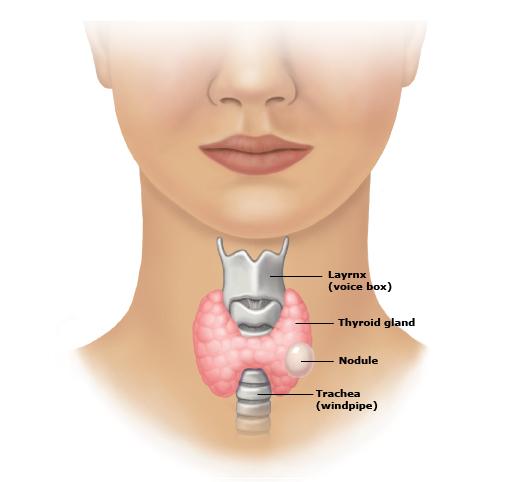
Thyroid nodules are lumps that develop within the thyroid gland, located at the front of the neck.
Most thyroid nodules are benign and do not require surgery. However, further assessment may be necessary when a nodule is large, growing or suspicious for cancer.
When Should You See a Surgeon?
-
A lump or swelling in the neck
-
Difficulty swallowing or breathing
-
Enlarging thyroid nodules
-
Suspicious thyroid ultrasound findings
-
Abnormal thyroid biopsy results
-
Suspected or confirmed thyroid cancer
How Are Thyroid Conditions Investigated?
Assessment may include thyroid function blood tests, neck ultrasound and fine-needle aspiration cytology (FNAC) when indicated.
Thyroid Surgery Options
Thyroid Lobectomy (Hemithyroidectomy)
Removal of one thyroid lobe, usually for selected nodules or thyroid cancers.
Total Thyroidectomy
Removal of the entire thyroid gland, recommended for certain thyroid cancers, large multinodular goitres or other selected conditions.
Surgery is performed under general anaesthesia. Important risks include bleeding, voice changes due to nerve injury and low calcium levels, particularly after total thyroidectomy.
The need for surgery is determined by clinical findings, ultrasound features, biopsy results and individual patient factors.
Breast Surgery
Assessment of Breast Lumps and Breast Conditions
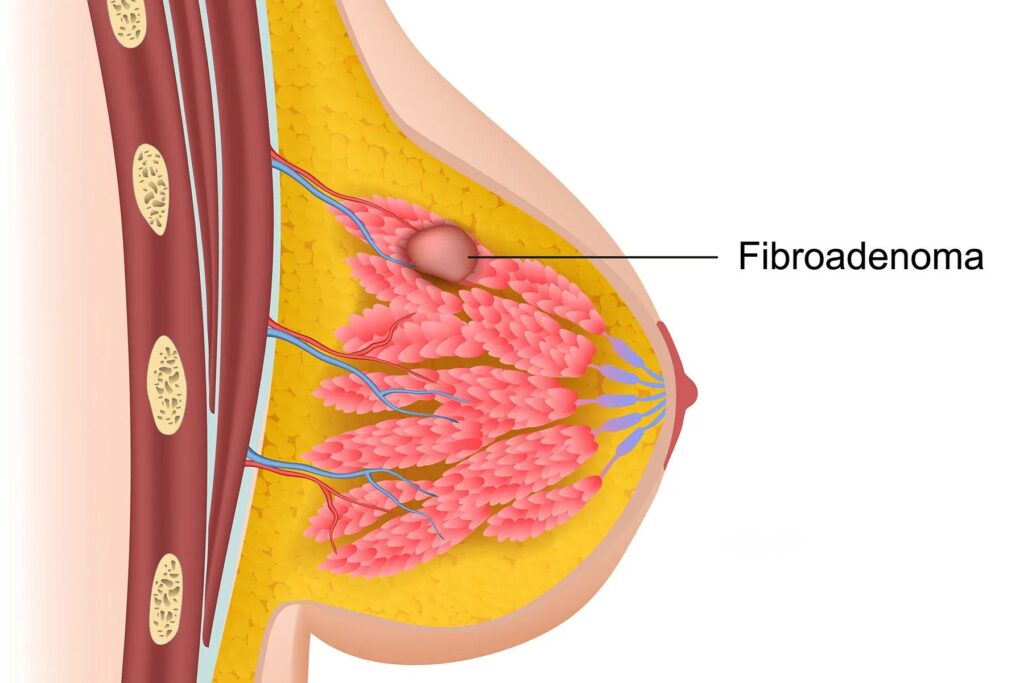
Breast lumps are common and may arise from benign conditions such as fibroadenomas or cysts. However, some lumps may represent breast cancer.
Early assessment helps establish the diagnosis and determine the most appropriate treatment.
When Should You See a Surgeon?
-
A new breast lump or swelling
-
Changes in breast size or shape
-
Skin dimpling or nipple retraction
-
Bloody nipple discharge
-
Persistent focal breast changes
-
A lump in the armpit
-
Suspicious mammogram or ultrasound findings
How Are Breast Lumps Investigated?
Breast assessment commonly involves triple assessment:
-
Clinical examination – Assessment of the breast and surrounding lymph nodes.
-
Breast imaging – Ultrasound or mammography, depending on age and clinical findings.
-
Tissue diagnosis – Core needle biopsy when indicated.
Breast Surgery Options
Breast Lump Excision
Removal of selected benign or suspicious breast lumps when surgery is indicated.
Breast-Conserving Surgery (Lumpectomy)
Removal of breast cancer with a surrounding margin of healthy tissue while preserving most of the breast. Radiotherapy is usually recommended afterward.
Mastectomy
Removal of breast tissue for selected breast cancers when breast-conserving surgery is unsuitable or not preferred.
Axillary Surgery
Sentinel lymph node biopsy or axillary lymph node surgery may be required in selected breast cancer cases.
Breast cancer treatment is individualised and may involve a multidisciplinary team, including medical and radiation oncologists.
Frequently Asked Questions
Do all thyroid nodules require surgery?
No. Most thyroid nodules are benign and can be monitored without surgery. Surgery is considered for suspicious, symptomatic or selected enlarging nodules.
Will I need lifelong medication after thyroid surgery?
After total thyroidectomy, lifelong thyroid hormone replacement is necessary. After thyroid lobectomy, some patients may also require medication.
Are all breast lumps cancerous?
No. Many breast lumps are benign. However, any new or suspicious breast lump should be assessed by a healthcare professional.
Does every breast cancer require mastectomy?
No. Breast-conserving surgery may be suitable for many patients, depending on tumour characteristics, breast size, patient preference and other clinical factors.
How long is recovery after surgery?
Recovery depends on the procedure and individual health. Many patients return to light daily activities within one to two weeks, although more extensive operations may require longer recovery.
Consult a General Surgeon for Thyroid & Breast Conditions
If you have noticed a breast lump, neck swelling or abnormal imaging findings, an early consultation can help determine the appropriate next steps.