
Gallstone & Gallbladder Surgery in Malaysia
Laparoscopic Gallbladder Removal (Keyhole Surgery)
Experiencing recurring upper abdominal pain, especially after meals? Gallstones may be responsible.
Gallstones are a common condition that can cause abdominal pain, nausea and, occasionally, serious complications such as gallbladder infection or pancreatitis.
Dr Vethunan Tamalvanan, Consultant General Surgeon, provides assessment and surgical treatment for gallstones and gallbladder conditions, including minimally invasive laparoscopic cholecystectomy.
Personalised surgical care with an emphasis on patient safety, clear explanations and appropriate treatment.
What Are Gallstones?
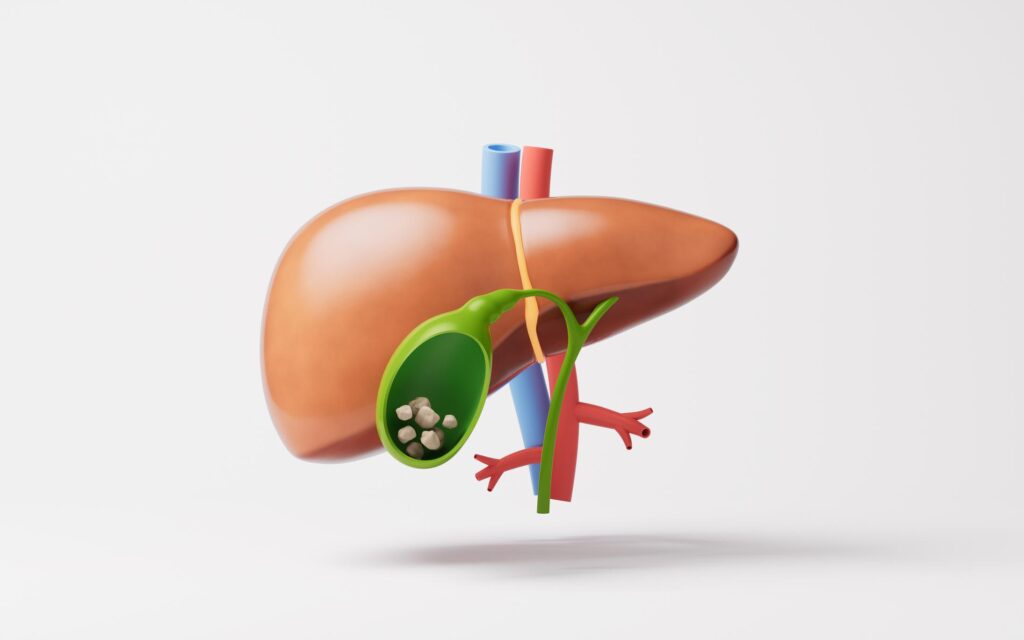
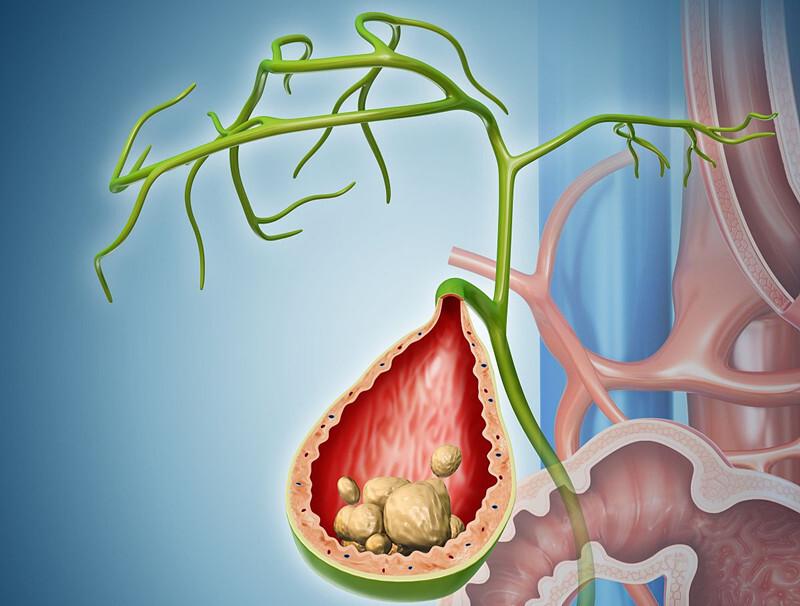
Gallstones are hardened deposits, usually made from cholesterol or bilirubin, that form inside the gallbladder.
The gallbladder is a small organ beneath the liver that stores bile, a digestive fluid that helps the body digest fats.
Many people have gallstones without experiencing symptoms. However, when a gallstone obstructs the flow of bile, it can cause significant abdominal pain and other complications.
Common Symptoms of Gallstones
Pain in the upper right or central abdomen
Pain after meals, sometimes following fatty food
Pain radiating to the back or right shoulder
Nausea and vomiting
Recurrent episodes of abdominal discomfort
Gallstone pain, also known as biliary colic, typically lasts from 30 minutes to several hours.
Seek urgent medical attention if abdominal pain is severe or persistent, particularly when accompanied by fever, jaundice or repeated vomiting.
Do All Gallstones Require Surgery?
Not everyone with gallstones needs surgery.
Gallstones discovered incidentally during an ultrasound and causing no symptoms usually do not require gallbladder removal.
However, surgery may be recommended when gallstones cause symptoms or complications.
Common indications include:
Recurrent biliary colic
Acute cholecystitis (gallbladder inflammation)
Gallstone pancreatitis
Certain cases of common bile duct stones, after appropriate duct assessment or clearance
Other selected gallbladder conditions
The decision to proceed with surgery depends on your symptoms, ultrasound findings, medical history and overall health.
Laparoscopic Gallbladder Surgery (Keyhole Surgery)
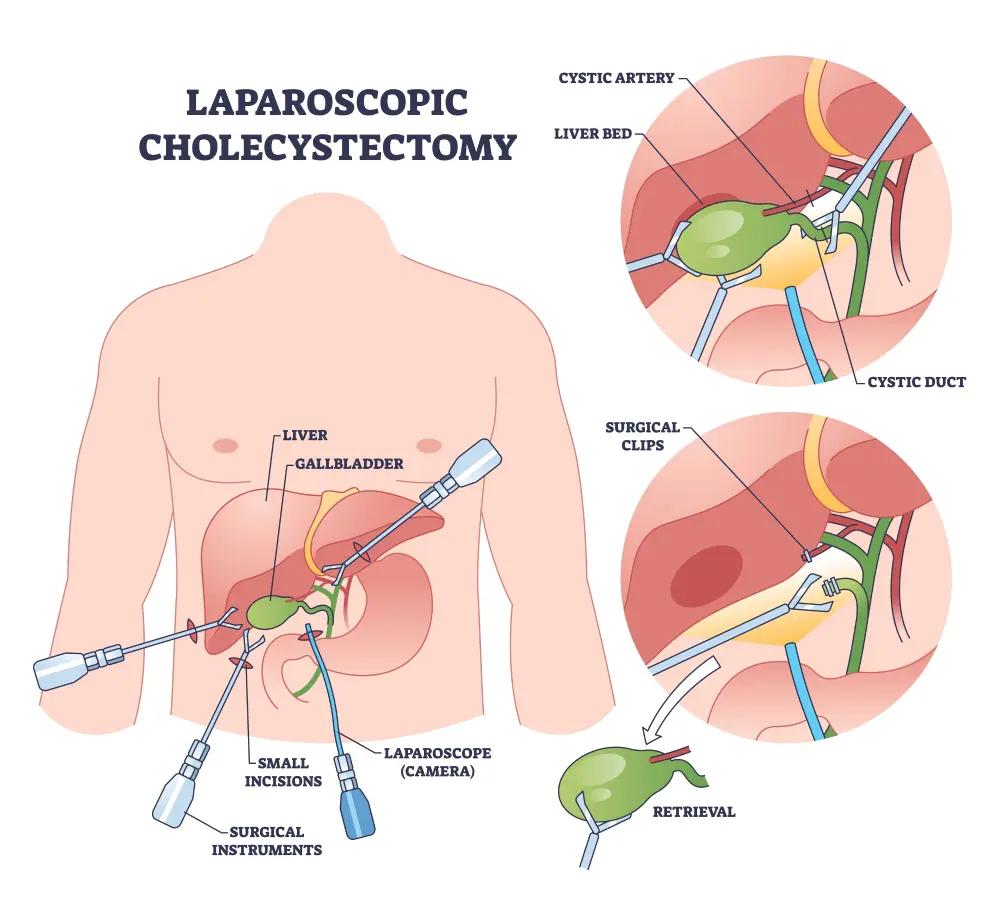
Laparoscopic cholecystectomy is the standard surgical treatment for most patients with symptomatic gallstones.
The procedure involves removing the gallbladder through several small abdominal incisions using a camera and specialised surgical instruments.
Benefits of Laparoscopic Surgery
Smaller surgical incisions
Less postoperative pain compared with traditional open surgery in many patients
Shorter hospital stay
Earlier return to daily activities
Smaller surgical scars
The procedure is performed under general anaesthesia.
In some situations, open surgery may be necessary for patient safety.
Why Is the Entire Gallbladder Removed?
Removing only the gallstones leaves the gallbladder in place, allowing stones to form again.
For most patients requiring surgery, removing the gallbladder provides definitive treatment for gallbladder stones.
You can live a normal, healthy life without a gallbladder. Bile continues to flow from the liver into the intestine after surgery.
How Is Gallstone Disease Diagnosed?
Assessment begins with a detailed medical history and abdominal examination.
Investigations may include:
Abdominal Ultrasound
Usually the first-line imaging investigation for detecting gallstones and assessing the gallbladder.
Blood Tests
May include liver function tests, inflammatory markers and pancreatic enzymes, depending on the clinical presentation.
MRCP or Other Imaging
May be recommended when stones within the common bile duct are suspected.
Not every patient requires advanced imaging. Investigations are selected according to clinical findings.
What Happens During Gallbladder Surgery?
Before surgery: Your surgeon reviews your symptoms, imaging, blood tests and fitness for anaesthesia.
During surgery: The gallbladder is carefully separated from surrounding structures and removed through small abdominal incisions.
After surgery: You are monitored during recovery, with pain relief and early mobilisation encouraged.
Discharge: Many patients undergoing uncomplicated elective laparoscopic surgery can go home the same day or after an overnight stay, depending on their recovery and hospital arrangements.
Patient safety is prioritised throughout the procedure, including careful identification of the biliary anatomy.
Recovery After Laparoscopic Gallbladder Surgery
Recovery varies between individuals, but most patients recover faster following laparoscopic surgery than open surgery.
| Recovery milestone | Typical expectation |
|---|---|
| Walking | Usually on the day of surgery |
| Hospital discharge | Same day or 1–2 days for uncomplicated cases |
| Light daily activities | Within several days |
| Desk-based work | Often within 1–2 weeks |
| Heavy lifting and strenuous exercise | Gradual return, guided by your surgeon |
Some patients experience temporary bloating, loose stools or altered bowel habits after gallbladder removal.
Most can gradually return to their usual diet.
Is Gallbladder Surgery Safe?
Laparoscopic cholecystectomy is a commonly performed operation with a generally favourable safety profile.
However, all operations carry risks, including bleeding, infection, bile leakage, bile duct injury, injury to surrounding organs, blood clots and anaesthetic complications.
Your surgeon will discuss the relevant risks, benefits and alternatives before surgery.
Frequently Asked Questions
Can gallstones disappear without surgery?
Gallstones generally do not disappear on their own. Medication to dissolve selected cholesterol stones is occasionally considered but has limited indications and recurrence is common.
Can I treat gallstones by avoiding fatty foods?
Avoiding foods that trigger symptoms may reduce attacks, but dietary changes do not reliably remove existing gallstones.
Is gallbladder surgery painful?
Postoperative discomfort is expected but can usually be managed with appropriate pain medication. Many patients experience less pain after laparoscopic surgery than after open surgery.
Can gallstones cause pancreatitis?
Yes. A gallstone can temporarily obstruct the bile duct near the pancreatic duct, triggering acute pancreatitis. This can sometimes be serious and requires hospital assessment.
Will I have digestive problems after gallbladder removal?
Most patients digest food normally after surgery. A minority may develop persistent loose stools or bile acid diarrhoea, which can often be treated.
Can gallstones return after gallbladder removal?
Gallbladder stones cannot recur once the gallbladder has been removed. However, stones can occasionally remain or form within the bile ducts.